
Kinolau, literally "many bodies", means the embodiment of a god or goddess through any plant, animal, or force of nature.
KĪ: protect, shield, food, gather (kī), security, pāʻū, thatching, sandals, okolehao, purify, shoot (gun), spit (kī ke kukui), key
Ki in a protecting, shielding, cooking, thatching and layer is just some of the associations with the ti leaf. But there’s so many uses. The Hilo braid, a rope that is made from the ti leaf secured Kamehameha’s canoe when he visited Hilo. We make ti leaf rope for ceremony, rituals. We twist leaves into lei and then of course the hula pa‘ū is still so popular. Medicinally its valuable. Cooking--fish and laulau are more ‘ono. The term ki can also mean to obtain, to gather.
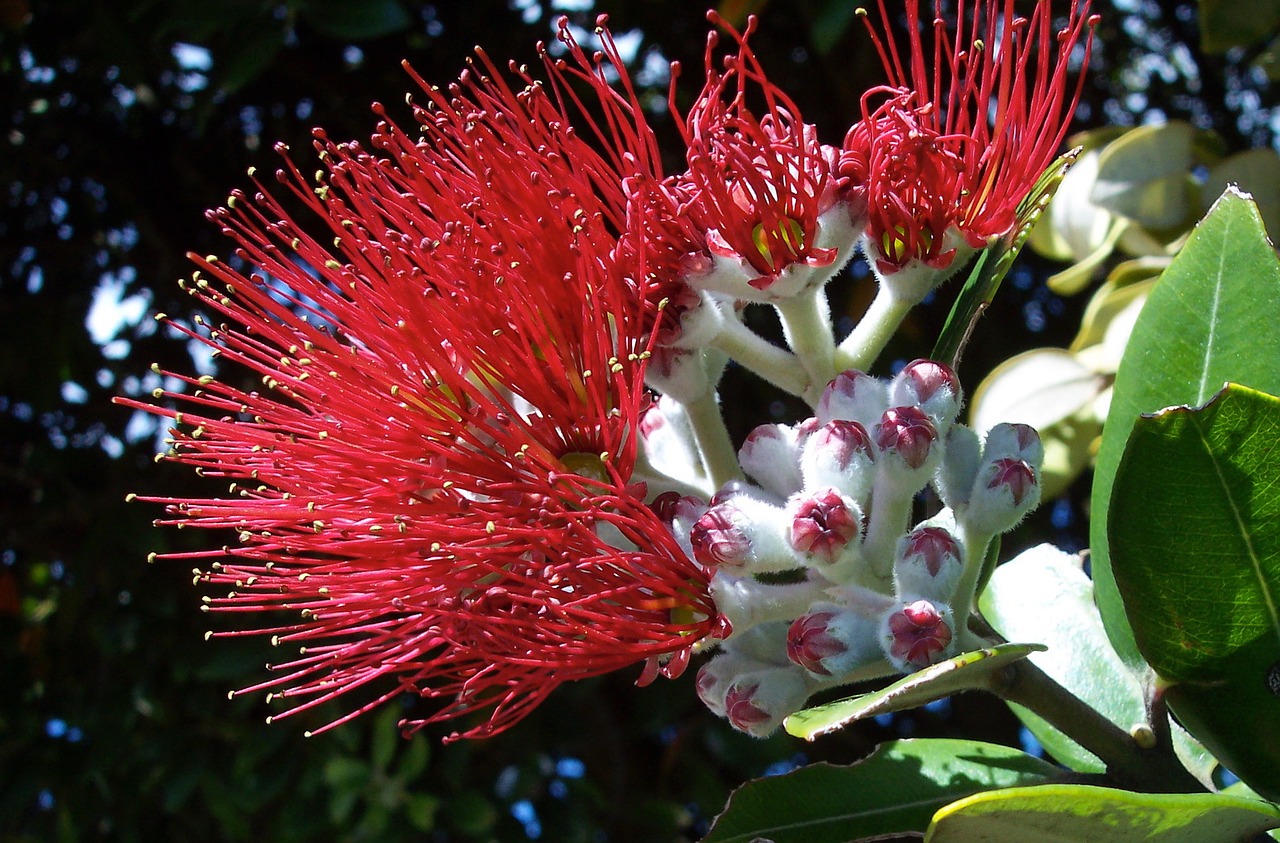
ʻŌHIʻA: native tree, first to sprout in new lava, kiʻi, furniture, flooring, attract clouds, gather water, kinolau (Laka)
Ohi’a is way more than just the native tree. The Ohi’a has a huge function in that native forest. Most importantly, it attracts the clouds. It pulls the clouds in from the ocean and it drinks in the rain and that water flows to the blossoms and trees to our aquifers. Then the surface water runs into the streams flowing down to the ocean and the cycle repeats itself. We find the lines of chant that speak of this cycle.